





























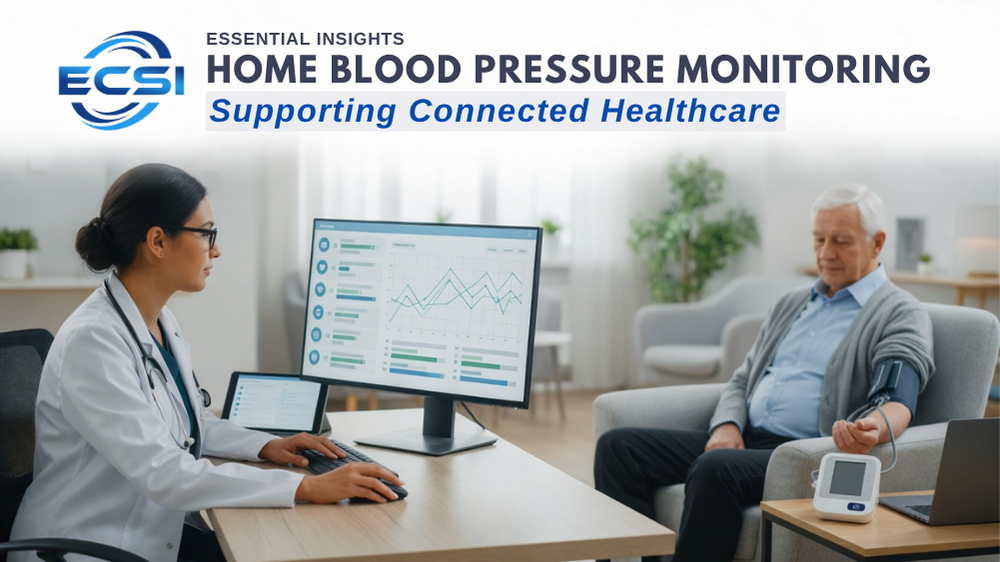
As healthcare delivery continues to shift toward patient-centered models, home blood pressure monitors have become essential tools for hospitals, dialysis organizations, long-term care facilities, government programs, and home healthcare providers supporting remote patient monitoring and chronic disease management.
The Future of Healthcare Extends Beyond the Facility
Healthcare continues to evolve from facility-based treatment toward models that emphasize monitoring, prevention, and early intervention outside traditional clinical settings. Remote patient monitoring (RPM), telehealth programs, and chronic disease management initiatives are expanding rapidly across hospitals, dialysis organizations, long-term care, government health programs, and home healthcare agencies.
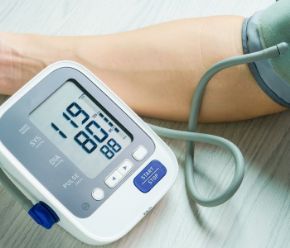
In this environment, home blood pressure monitors have become a practical and high-value tool. They help care teams maintain visibility into patient status between visits, support hypertension management, and contribute to more informed clinical decisions. For institutional buyers, the value of these devices extends beyond a single reading—they help create a more complete picture of patient health over time.
Healthcare Applications for Digital Blood Pressure Monitoring
Different care settings use home blood pressure monitors in distinct ways. The following applications illustrate how institutional buyers can integrate these devices into existing programs.
Hospitals & Transitional Care
Home blood pressure monitors support continuity of care after discharge and strengthen chronic care and cardiology programs.
- Post-discharge monitoring
- Chronic care follow-up
- Cardiology and transitional care initiatives
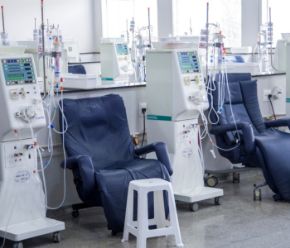
Dialysis Care Programs
Blood pressure management is a core component of kidney care. Home monitoring supports education and engagement between treatments.
- Monitoring between dialysis sessions
- Patient education programs
- Support for home dialysis patients
Long-Term Care Facilities
Consistent vital sign tracking helps long-term care organizations manage resident health and medication effectiveness.
- Routine vital sign tracking
- Medication monitoring
- Chronic condition and wellness programs
Government & Public Health Programs
Public agencies increasingly incorporate monitoring tools into preventive and population health initiatives.
- Community health and hypertension awareness
- Veteran health programs
- Population health projects
Home Healthcare
Home health agencies integrate vital sign monitoring into visits and caregiver education to support patient self-management.
- Nurse assessments
- Caregiver education
- Patient–provider communication
The Growing Role of Remote Patient Monitoring
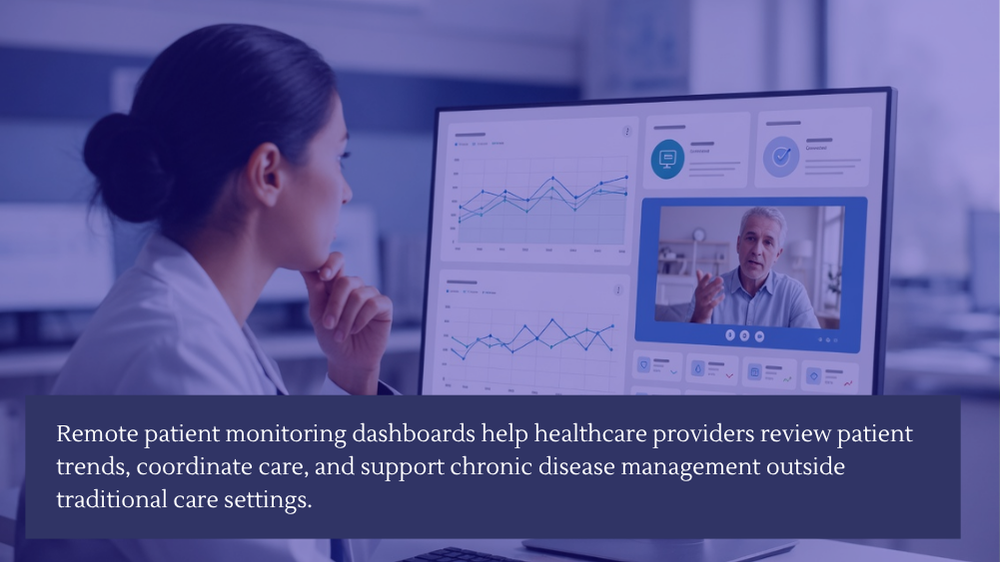
Remote patient monitoring allows healthcare organizations to collect health information from patients outside traditional care environments. Bluetooth blood pressure monitors and other connected devices enable patients to record readings digitally and share information with care teams.
Key operational benefits include:
- Improved visibility — Providers review trends rather than isolated office measurements.
- Better patient engagement — Patients become more involved in understanding and managing their health.
- Enhanced care coordination — Monitoring data supports more informed conversations during follow-up visits.
- Support for chronic conditions — Common applications include hypertension, heart disease, diabetes management, kidney disease, and post-discharge recovery.
Selecting the Right Blood Pressure Monitor
Healthcare buyers should evaluate equipment based on the needs of their patient population and care environment. The table below summarizes key features and their relevance to institutional use.
| Feature | Why It Matters | Healthcare Application |
|---|---|---|
| Upper-arm monitoring | Provides consistent positioning and aligns with clinical guidance for accuracy. | Preferred for most institutional and clinical programs. |
| Wrist monitoring | Compact and convenient; requires careful attention to proper positioning. | Useful when portability is a priority and patients can follow positioning instructions. |
| Bluetooth connectivity | Enables digital record storage and remote data sharing with care teams. | Supports remote patient monitoring and telehealth workflows. |
| Memory storage | Allows multiple readings to be retained for trend review. | Valuable for patient education and provider follow-up. |
| Cuff sizing options | Ensures accurate readings across different patient body types. | Critical for diverse patient populations in institutional settings. |
| Patient usability | Large displays, simple operation, and clear instructions reduce user error. | Especially important for elderly patients and caregiver-assisted monitoring. |
Building Complete Healthcare Monitoring Solutions
Home blood pressure monitors are most effective when integrated into a broader patient monitoring strategy rather than deployed as standalone devices. Healthcare organizations often build standardized monitoring kits that support specific care programs, improve patient engagement, and simplify procurement.
Home Healthcare Monitoring Kit
Designed for home health agencies and post-discharge programs.
- Digital blood pressure monitor
- Thermometer
- Pulse oximeter
- Patient education materials
Dialysis Patient Support Kit
Supports renal care programs and home dialysis education.
- Blood pressure monitor
- Patient tracking materials
- Supporting healthcare supplies
- Infection prevention products
Community Wellness Kit
Intended for public health and population health initiatives.
- Blood pressure monitor
- Health education materials
- Preventive care resources
Why Healthcare Organizations Work With Essential Cares Supplies
Essential Cares Supplies supports healthcare providers, government agencies, dialysis organizations, and institutional buyers with medical and operational supply solutions. Our approach focuses on practical procurement support rather than transactional product sales.
- Reliable Sourcing — Access to quality medical products from established manufacturers and trusted distribution partners.
- Procurement Support — Assistance with RFQs, bids, product substitutions, equivalency reviews, and institutional purchasing requirements.
- Flexible Solutions — Support identifying products and supply solutions that align with operational needs, budgets, and program objectives.
- Healthcare Industry Expertise — Knowledge of the procurement, operational, and compliance requirements that support hospitals, government agencies, dialysis organizations, long-term care facilities, and other institutional healthcare providers.
Partner With Essential Cares Supplies
Essential Cares Supplies helps healthcare organizations source dependable medical and institutional products that support better care delivery. Whether your organization is expanding remote patient monitoring programs, developing patient care kits, or evaluating new healthcare supply solutions, our team can help identify products that meet your operational requirements.
Contact Essential Cares Supplies to discuss remote patient monitoring supplies, medical equipment sourcing, and institutional healthcare solutions.
Frequently Asked Questions
What are home blood pressure monitors used for?
Home blood pressure monitors are medical devices that allow patients or caregivers to measure blood pressure outside traditional healthcare settings. They support remote patient monitoring, hypertension management, and chronic disease programs across hospitals, dialysis, long-term care, and home health.
How do Bluetooth blood pressure monitors support healthcare providers?
Bluetooth-enabled monitors can store readings digitally and facilitate data sharing with care teams. This capability supports remote monitoring programs by allowing providers to review patient trends between visits rather than relying solely on occasional office measurements.
Are blood pressure monitors useful for dialysis patients?
Yes. Blood pressure monitoring is an important component of kidney care. Home monitors can support patient education, engagement between treatments, and chronic disease management programs for both in-center and home dialysis patients.
What should healthcare organizations consider when purchasing blood pressure monitors?
Organizations should evaluate accuracy, usability, connectivity options, available cuff sizes, suitability for the target patient population, warranty support, and regulatory documentation. Alignment with existing workflows and remote monitoring platforms is also important.
Who purchases home blood pressure monitoring equipment?
Common institutional purchasers include hospitals, dialysis organizations, long-term care facilities, home healthcare agencies, government health programs, and public health initiatives focused on hypertension and chronic disease management.
 213-743-1401